

P1248 (Volkswagen, Audi, Skoda, Seat) Начало впрыска топлива – отклонение регулирования
P1248 – Техническое описание кода неисправности OBD-II Код неисправности P1248 указывает на отклонение регулирования начала впрыска топлива в автомобилях Volkswagen, Audi, Skoda, Seat. Что значит код неисправности P1248? Код неисправности P1248 указывает на отклонение регулирования начала впрыска топлива. В системах впрыска топлива дизельных двигателей регулирование начала впрыска играет ключевую роль в оптимизации работы двигателя. Начало впрыска определяет момент, когда топливо впрыскивается в цилиндр двигателя, что влияет на эффективность сгорания топлива, мощность, расход топлива и выбросы. Отклонение в регулировании начала впрыска может привести к ухудшению производительности двигателя, повышенному расходу топлива, увеличению выбросов и другим серьезным проблемам. Возможные причины Некоторые из возможных причин возникновения кода неисправности P1248: Это лишь некоторые из возможных…
Вам также может понравиться
P0778 Электрическая неисправность цепи электромагнитного клапана «В» управления давлением АКПП
P1218 (Volkswagen, Audi, Skoda, Seat) Форсунка цилиндра 6 – короткое замыкание на плюс
P0993 Датчик давления трансмиссионной жидкости/цепь переключателя F Диапазон рабочих характеристик
P1247 (Volkswagen, Audi, Skoda, Seat) Датчик хода иглы топливной форсунки – обрыв цепи/короткое замыкание на плюс
P1247 – Техническое описание кода неисправности OBD-II Код неисправности P1247 указывает на обрыв цепи/короткое замыкание на плюс в электрической цепи датчика хода иглы топливной форсунки в автомобилях Volkswagen, Audi, Skoda, Seat. Что значит код неисправности P1247? Код неисправности P1247 указывает на проблему в электрической цепи датчика хода иглы топливной форсунки. Датчик хода иглы контролирует подачу топлива в двигатель, обеспечивая оптимальное смешивание топлива с воздухом для правильного сгорания в цилиндрах. В данном случае, обрыв цепи или короткое замыкание на плюс означает, что электрическая цепь, соединяющая датчик с блоком управления двигателем, испытывает проблемы. Обрыв цепи означает, что электрическое соединение между датчиком и блоком управления двигателем прервано, что приводит к потере связи с…
P1246 (Volkswagen, Audi, Skoda, Seat) Датчик хода иглы топливной форсунки – недостоверный сигнал
P1246 – Техническое описание кода неисправности OBD-II Код неисправности P1246 указывает на недостоверный сигнал в электрической цепи датчика хода иглы топливной форсунки в автомобилях Volkswagen, Audi, Skoda, Seat. Что значит код неисправности P1246? Код неисправности P1246 указывает на проблему в электрической цепи датчика хода иглы топливной форсунки. Датчик хода иглы контролирует подачу топлива в двигатель, обеспечивая оптимальное смешивание топлива с воздухом для правильного сгорания в цилиндрах. Недостоверный сигнал может означать, что информация, поступающая от датчика, не соответствует ожидаемым параметрам или не является достоверной. Возможные причины Несколько возможных причин появления кода неисправности P1246: Важно помнить, что для точного определения причины ошибки P1246 требуется провести диагностику, включающую проверку датчика, проводки, разъемов и…
P1245 (Volkswagen, Audi, Skoda, Seat) Датчик хода иглы топливной форсунки – короткое замыкание на массу
P1245 – Техническое описание кода неисправности OBD-II Код неисправности P1245 указывает на короткое замыкание на массу в электрической цепи датчика хода иглы топливной форсунки в автомобилях Volkswagen, Audi, Skoda, Seat. Что значит код неисправности P1245? Код неисправности P1245 указывает на проблему с электрической цепью датчика хода иглы топливной форсунки, а именно – на короткое замыкание этой цепи на массу. Этот датчик отвечает за контроль подачи топлива в двигатель, и его неправильное функционирование может привести к неравномерной или недостаточной подаче топлива, что может повлиять на работу двигателя и ухудшить его производительность. Возможные причины Некоторые возможные причины появленич кода неисправности P1245: При диагностике и устранении этой неисправности рекомендуется обратиться к квалифицированному автомобильному…
P1244 (Volkswagen, Audi, Skoda, Seat) Форсунка цилиндра 8 – обрыв цепи
P1244 – Техническое описание кода неисправности OBD-II Код неисправности P1244 указывает на обрыв в электрической цепи форсунки цилиндра 8 в автомобилях Volkswagen, Audi, Skoda, Seat. Что значит код неисправности P1244? Код неисправности P1244 является диагностическим кодом, который указывает на конкретную проблему в автомобиле. В данном случае, он указывает на обрыв в электрической цепи форсунки цилиндра 8. Когда автомобиль обнаруживает неисправность, он генерирует этот код для предупреждения водителя о необходимости устранения проблемы. Обрыв в электрической цепи может привести к недостаточной подаче топлива в цилиндр, что может вызвать неправильную работу двигателя, потерю мощности, повышенный расход топлива и другие проблемы. Возможные причины Возможные причины появления кода неисправности P1244: Это лишь некоторые из возможных…
P1243 (Volkswagen, Audi, Skoda, Seat) Форсунка цилиндра 7 – обрыв цепи
P1243 – Техническое описание кода неисправности OBD-II Код неисправности P1243 указывает на обрыв в электрической цепи форсунки цилиндра 7 в автомобилях Volkswagen, Audi, Skoda, Seat. Что значит код неисправности P1243? Код неисправности P1243 является диагностическим кодом, который указывает на конкретную проблему в автомобиле. В данном случае, он указывает на обрыв в электрической цепи форсунки цилиндра 7. Когда автомобиль обнаруживает неисправность, он генерирует этот код для предупреждения водителя о необходимости устранения проблемы. Обрыв в электрической цепи может привести к недостаточной подаче топлива в цилиндр, что может вызвать неправильную работу двигателя, потерю мощности, повышенный расход топлива и другие проблемы. Возможные причины Возможные причины появления кода неисправности P1243: Это лишь некоторые из возможных…
P1242 (Volkswagen, Audi, Skoda, Seat) Форсунка цилиндра 6 – обрыв цепи
P1242 – Техническое описание кода неисправности OBD-II Код неисправности P1242 указывает на обрыв в электрической цепи форсунки цилиндра 6 в автомобилях Volkswagen, Audi, Skoda, Seat. Что значит код неисправности P1242? Код неисправности P1242 является диагностическим кодом, который указывает на конкретную проблему в автомобиле. В данном случае, он указывает на обрыв в электрической цепи форсунки цилиндра 6. Когда автомобиль обнаруживает неисправность, он генерирует этот код для предупреждения водителя о необходимости устранения проблемы. Обрыв в электрической цепи может привести к недостаточной подаче топлива в цилиндр, что может вызвать неправильную работу двигателя, потерю мощности, повышенный расход топлива и другие проблемы. Возможные причины Возможные причины появления кода неисправности P1246: Это лишь некоторые из возможных…
P1241 (Volkswagen, Audi, Skoda, Seat) Форсунка цилиндра 5 – обрыв цепи
P1241 – Техническое описание кода неисправности OBD-II Код неисправности P1241 указывает на обрыв в электрической цепи форсунки цилиндра 5 в автомобилях Volkswagen, Audi, Skoda, Seat. Что значит код неисправности P1241? Код неисправности P1241 является диагностическим кодом, который указывает на конкретную проблему в автомобиле. В данном случае, он указывает на обрыв в электрической цепи форсунки цилиндра 5. Когда автомобиль обнаруживает неисправность, он генерирует этот код для предупреждения водителя о необходимости устранения проблемы. Обрыв в электрической цепи может привести к недостаточной подаче топлива в цилиндр, что может вызвать неправильную работу двигателя, потерю мощности, повышенный расход топлива и другие проблемы. Возможные причины Возможные причины появления кода неисправности P1241: Это лишь некоторые из возможных…
P1240 (Volkswagen, Audi, Skoda, Seat) Форсунка цилиндра 4 – обрыв цепи
P1240 – Техническое описание кода неисправности OBD-II Код неисправности P1240 указывает на обрыв в электрической цепи форсунки цилиндра 4 в автомобилях Volkswagen, Audi, Skoda, Seat. Что значит код неисправности P1240? Код неисправности P1240 является диагностическим кодом, который указывает на конкретную проблему в автомобиле. В данном случае, он указывает на обрыв в электрической цепи форсунки цилиндра 4. Когда автомобиль обнаруживает неисправность, он генерирует этот код для предупреждения водителя о необходимости устранения проблемы. Обрыв в электрической цепи может привести к недостаточной подаче топлива в цилиндр, что может вызвать неправильную работу двигателя, потерю мощности, повышенный расход топлива и другие проблемы. Возможные причины Возможные причины появления кода неисправности P1240: Это лишь некоторые из возможных…
P1239 (Volkswagen, Audi, Skoda, Seat) Форсунка цилиндра 3 – обрыв цепи
P1239 – Техническое описание кода неисправности OBD-II Код неисправности P1239 указывает на обрыв в электрической цепи форсунки цилиндра 3 в автомобилях Volkswagen, Audi, Skoda, Seat. Что значит код неисправности P1239? Код неисправности P1239 является диагностическим кодом, который указывает на конкретную проблему в автомобиле. В данном случае, он указывает на обрыв в электрической цепи форсунки цилиндра 3. Когда автомобиль обнаруживает неисправность, он генерирует этот код для предупреждения водителя о необходимости устранения проблемы. Обрыв в электрической цепи может привести к недостаточной подаче топлива в цилиндр, что может вызвать неправильную работу двигателя, потерю мощности, повышенный расход топлива и другие проблемы. Возможные причины Возможные причины появления кода неисправности P1239: Это лишь некоторые из возможных…
P1238 (Volkswagen, Audi, Skoda, Seat) Форсунка цилиндра 2 – обрыв цепи
P1238 – Техническое описание кода неисправности OBD-II Код неисправности P1238 указывает на обрыв в электрической цепи форсунки цилиндра 2 в автомобилях Volkswagen, Audi, Skoda, Seat. Что значит код неисправности P1238? Код неисправности P1238 является диагностическим кодом, который указывает на конкретную проблему в автомобиле. В данном случае, он указывает на обрыв в электрической цепи форсунки цилиндра 2. Когда автомобиль обнаруживает неисправность, он генерирует этот код для предупреждения водителя о необходимости устранения проблемы. Обрыв в электрической цепи может привести к недостаточной подаче топлива в цилиндр, что может вызвать неправильную работу двигателя, потерю мощности, повышенный расход топлива и другие проблемы. Возможные причины Возможные причины появления кода неисправности P1238: Это лишь некоторые из возможных…
P1237 (Volkswagen, Audi, Skoda, Seat) Форсунка цилиндра 1 – обрыв цепи
P1237 – Техническое описание кода неисправности OBD-II Код неисправности P1237 указывает на обрыв в электрической цепи форсунки цилиндра 1 в автомобилях Volkswagen, Audi, Skoda, Seat. Что значит код неисправности P1237? Код неисправности P1237 является диагностическим кодом, который указывает на конкретную проблему в автомобиле. В данном случае, он указывает на обрыв в электрической цепи форсунки цилиндра 1. Когда автомобиль обнаруживает неисправность, он генерирует этот код для предупреждения водителя о необходимости устранения проблемы. Обрыв в электрической цепи может привести к недостаточной подаче топлива в цилиндр, что может вызвать неправильную работу двигателя, потерю мощности, повышенный расход топлива и другие проблемы. Возможные причины Возможные причины появления кода неисправности P1237: Это лишь некоторые из возможных…
P1236 (Volkswagen, Audi, Skoda, Seat) Лямбда-коррекция после катализатора, банк 4 – достигнут предел регулирования
P1236 – Техническое описание кода неисправности OBD-II Код неисправности P1236 относится к проблеме с сигналом датчика кислорода после каталитического нейтрализатора, банк 4, в автомобилях Volkswagen, Audi, Skoda, Seat. Что значит код неисправности P1236? Код неисправности P1236 указывает на проблему с сигналом датчика кислорода после каталитического нейтрализатора, банк 4 двигателя. Этот датчик кислорода измеряет содержание кислорода в отработавших газах, которые проходят через каталитический нейтрализатор. Когда код P1236 возникает, это означает, что система управления двигателем обнаружила, что сигнал от датчика кислорода после каталитического нейтрализатора выходит за пределы ожидаемого диапазона или не соответствует заданным параметрам. Возможные причины Код неисправности P1236 может быть вызван различными причинами, связанными с работой системы выхлопа и датчика кислорода,…
P1235 (Volkswagen, Audi, Skoda, Seat) Лямбда-коррекция после катализатора, банк 3 – достигнут предел регулирования
P1235 – Техническое описание кода неисправности OBD-II Код неисправности P1235 относится к проблеме с сигналом датчика кислорода после каталитического нейтрализатора, банк 3, в автомобилях Volkswagen, Audi, Skoda, Seat. Что значит код неисправности P1235? Код неисправности P1235 указывает на проблему с сигналом датчика кислорода после каталитического нейтрализатора, банк 3 двигателя. Этот датчик кислорода измеряет содержание кислорода в отработавших газах, которые проходят через каталитический нейтрализатор. Когда код P1235 возникает, это означает, что система управления двигателем обнаружила, что сигнал от датчика кислорода после каталитического нейтрализатора выходит за пределы ожидаемого диапазона или не соответствует заданным параметрам. Возможные причины Код неисправности P1235 может быть вызван различными причинами, связанными с работой системы выхлопа и датчика кислорода,…
Вам также может понравиться
P0975: Код неисправности цепи управления электромагнитным клапаном переключения передач «B» Диапазон/функционирование
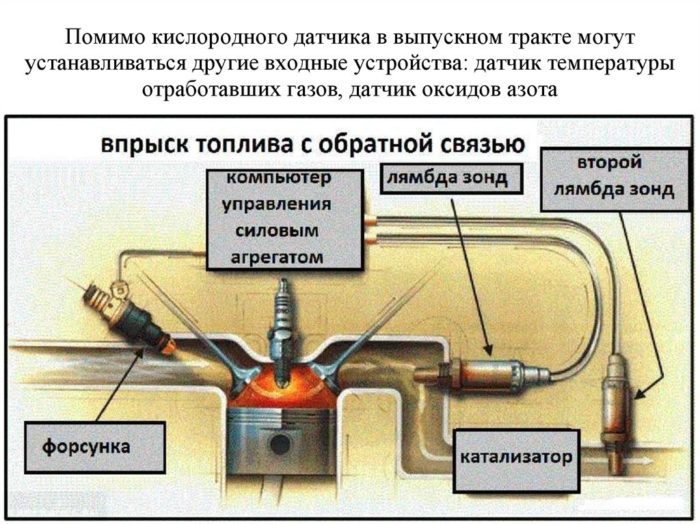
P2197 Сигнал датчика O2 смещен / застрял в обедненной смеси (банк 2, датчик 1), код
P2032 Цепь датчика EGT температуры выхлопных газов, ряд 1, датчик 2, низкий уровень
P1234 (Volkswagen, Audi, Skoda, Seat) Ошибка при подаче топлива по нагнетательной магистрали
P1234 – Техническое описание кода неисправности OBD-II Код неисправности P1234 указывает на ошибку при подаче топлива по нагнетательной магистрали в автомобилях Volkswagen, Audi, Skoda, Seat. Что значит код неисправности P1234? Код неисправности P1234 указывает на проблему с подачей топлива по нагнетательной магистрали в автомобилях марок Volkswagen, Audi, Skoda и Seat. Нагнетательная магистраль отвечает за транспортировку топлива от топливного бака к двигателю, обеспечивая его необходимым количеством топлива для правильной работы. Появление этого кода может указывать на различные проблемы, такие как датчики давления топлива, электрические соединения или проблемы с самой системой управления двигателем. Возможные причины Код неисправности P1234 может быть вызван различными причинами: Каковы симптомы при коде неисправности P1234? Симптомы при коде…
P1233 (Volkswagen, Audi, Skoda, Seat) Ошибка учета нагрузки
P1233 – Техническое описание кода неисправности OBD-II Код неисправности P1233 указывает на ошибку учета нагрузки в автомобилях Volkswagen, Audi, Skoda, Seat. Что значит код неисправности P1233? Код неисправности P1233 указывает на проблему с системой учета нагрузки в автомобилях марок Volkswagen, Audi, Skoda и Seat. Эта система отвечает за контроль и регулировку количества впрыскаемого топлива в двигатель в зависимости от текущей нагрузки на автомобиль. Появление этого кода может указывать на различные проблемы, такие как датчики давления топлива, электрические соединения или проблемы с самой системой управления двигателем. Возможные причины Код неисправности P1233 может быть вызван различными причинами: Для точного определения причины ошибки P1233 рекомендуется провести детальную диагностику автомобиля с использованием специализированного оборудования…